Introduction
In the United States, the frequency of leasing is now higher than it has ever been. This makes sense because leasing an automobile can be done for a variety of reasons. Leasing gives you the flexibility to purchase a new vehicle every few years without having to make a sizable down payment or pay a high price.
One part of leasing a car is a little trickier. That happens if you get into an accident. If you are determined to be the at-fault party, you will have to cover the damages. It holds even though you do not officially own the vehicle.
We will provide some suggestions to help this regrettable circumstance go much more smoothly.
Prioritizing Safety Following an Incident
1. Examine any injuries
Checking for injuries is the first thing to do following any auto collision. This implies that you must examine not only yourself and the passengers but also everyone else who may have been affected in the collision.
Not all auto accidents result in injuries. You ought to be on the lookout for those who do. Some injuries are not immediately noticeable. You have to be conscientious & mindful of your body in the days ahead.
2. Transfer Your Car to a Secure Area
Make an effort to relax even though you may feel agitated. Verify whether your leased car is obstructing traffic. If so, try to relocate it to the side or remove it from the road.
Assisting First Responders
1. Make a police or 911 call
You may dial 911. It depends on how serious the collision is. An emergency responder present can still be beneficial even if no one is hurt. In this manner, there will be somebody to provide first aid if something does happen. You must get medical attention to the situation as quickly as possible if there has been a serious injury.
2. Always Work Together
You must wait for the cops to come. You should not leave the area without talking to the police. There is the risk of being arrested if you do. Listen and abide by the law enforcement report number.
3. Refuse to Take Responsibility
Don’t admit anything, regardless of whether you were at fault for the accident. Those involved in the accident may tell you that you are responsible for the accident. You don’t have to let it happen. Have a good, calm conversation with them & tell them that they can have a conversation with you later.
4. Remain composed and control your attitude
You must maintain composure even if a car accident with a leased vehicle is a distressing circumstance. Also, you need to avoid revealing too much and be quiet. You are in a mishap with unidentified individuals. It could seem dangerous if you become upset.
The individual you were in the collision with might attempt to place the blame on you. You shouldn’t offer any suggestion that you will accept responsibility, regardless of whether it was your error. Defend your rights. Remain calm and silent.
Related Read: Is California a No-Fault State for Car Accidents?
Evaluate the Situation
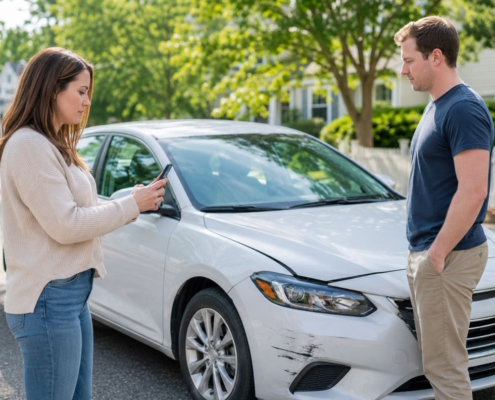
Once you’ve gotten out of your car, moved it aside, & called emergency personnel. You should evaluate the situation and make a note.
- Check to see if someone is hurt
- Take note of the driver and everyone else involved in the collision
- The number of cars involved
- Any harm done to either side
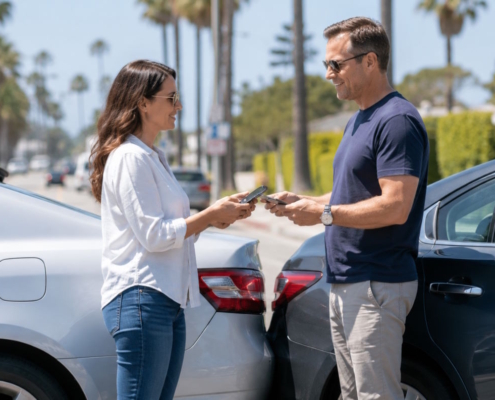
- Names of all those concerned
- License plate number or numbers
- Other vehicles’ make and model
- Details of insurance
- Talk to witnesses (record them with their consent)
- Visibility and weather conditions
- The accident’s location
You can take pictures as well. This will assist you in demonstrating the severity of the harm done to the automaker. Next, determine whether the car needs to be towed.
You might not require a tow if you are able to drive your leased car, but if not, you should think about having it taken straight to a workshop or dealership. You won’t have to make the extra trip or deal with the inconvenience of taking it to the workshop later. Be advised that the leasing dealership may require you to visit particular garages or places.
Report the Accident
You are usually required to get insurance for that car in every lease agreement. Additionally, there may be a stipulation requiring you to report your accident to the dealership.
You should also report the incident to your own insurance provider. This implies that you must take two actions.
1. Make an insurance claim
Ensure that you get in touch with your insurance provider right away. This is vital since you don’t want the other party to tell them. If you require a replacement car, the insurance company should assist you.
2. Be clear about what is covered by your insurance
There are several levels of coverage, even though your auto insurance probably covers some medical costs. You will typically need to carry some sort of “full coverage” when renting an automobile. Clarify the contents of your package. Wrecking a leased car can affect your lease obligations in several ways.
You will encounter issues if you neglect to tell the dealership or your insurance provider. The majority of leasing businesses have particular standards for repairs. You will probably have to pay for the repairs once your lease expires if you have the automobile fixed and it isn’t done in accordance with their specifications.
Fix Your Car
You can concentrate on getting your automobile fixed after learning what repairs are permitted under your lease and what the insurance company will pay for. This process might have already started if you had been able to determine where to bring your car in the first place. It will be simpler to begin if your car has visible damage, but inside harm might also occur.
Your insurance provider will schedule a repair estimate if you decide to file a claim under your collision coverage. The business may direct you to a nearby field office or a typical body shop, where a quote will be prepared, or it may send an adjustment specialist to your location. The insurance provider will give you instructions on how to get your automobile fixed after the estimate is completed.
You may choose not to take your car to a maintenance shop if you fail to notice any obvious damage. You may then realize that something is awry after a couple of days or weeks. At this point, you must take it to the dealership or a designated shop to complete the insurance and repair procedure.
A key point to remember is that your car could not be covered by an accident insurance claim if you wait to take it to a shop. Bringing it to a shop or the dealership right away is the best way to prevent this. The financial impact of wrecking a leased car depends on your lease agreement.
Making a Third-party Claim
The process of pursuing a claim might be challenging, but it may be worthwhile. The procedure is the same as though you were the car’s owner. All of the facts you previously recorded must be gathered, along with conversations with all parties involved.
You will be required to wait after presenting your version of the narrative and all the evidence or data you gathered. You’ll have to wait to find out if the claim is approved and whether you were held responsible for the collision.
If your opponent’s insurance provider rejects your claim, you have the following options:
1. File a property damage lawsuit against the other driver: This has the drawback of taking a long time—up to two years! You might eventually go through plenty of hoops without finding a solution. You will have to pay out of pocket until this is completed, after which you will receive reimbursement.
2. Get auto repairs covered by your insurance: This might be the ideal option, as your lease may already include collision insurance.
When a leased car is totaled
There are several things that happen when your leased car is deemed a total loss. You may prepare ahead of time and prevent unforeseen expenses by being aware of these actions. When a leased car is totaled, the following typically occurs:
- The Insurance Company Evaluates the ACV: Your insurer determines the vehicle’s ACV (actual cash value) at the time of the collision. Age, mileage, & market depreciation are some of the variables that determine this.
- The Leasing Firm Gets Paid First: The insurance firm will pay the leasing company directly since they are the legal owners of the car. This helps you pay down the remaining sum on your lease.
- You May Possibly Owe Payments: You are in charge of making up the difference if the ACV is lower than the remaining balance on your lease.
- Early Termination Charges May Apply: Some lease contracts stipulate penalties for early termination even in the event of a complete loss. Wrecking a leased car can make drivers responsible for costs beyond the vehicle’s value.
- You’ll Need to Give Back the License Plates & File Paperwork: You might be in charge of filing cancellation documentation with the leasing firm and surrendering the license plates to the DMV in your state.
“Gap” Insurance with Leased Automobiles
The car insurance provider (yours or the second driver’s) will be responsible for the car’s “actual cash value,” not the cost of repairs, if the accident damage is so severe that your leased car is considered a “total loss.” What happens, then, if the vehicle’s actual cash value is insufficient to pay the remaining balance due under the lease? “Gap” insurance is useful in this situation. You can get gap insurance coverage that will cover the difference between the car’s true worth and the amount outstanding on the lease.
Reviewing your gap insurance policy is a smart first step if you’re worried about wrecking a leased car. As a component of the lease agreement, some leasing firms could even mandate that you get gap insurance.
When to Speak with a Lawyer
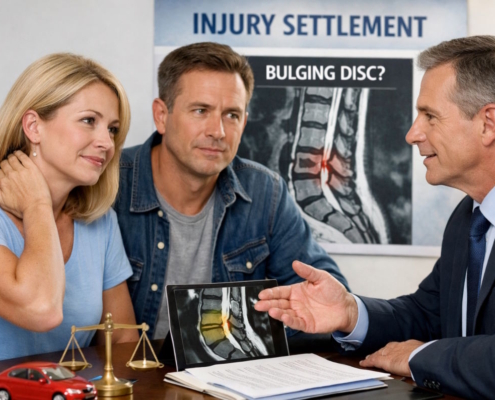
While legal assistance is not necessary in every leased car accident, there are a number of circumstances in which seeking legal counsel can provide you with both financial and legal protection. You ought to speak with a local personal injury lawyer if:
- You’re Being Unjustly Blamed for the Crash: A lawyer can assist in gathering evidence and defending your position if the fault is contested or uncertain.
- The Insurance Firm Undervalues the Car: You can contest the settlement with legal assistance if you think the ACV provided doesn’t accurately represent the value of your vehicle.
- The Leasing Company Presses You for Payment: If you don’t have gap insurance or are subject to early termination charges, an attorney may resolve lease balance difficulties.
- The Other Driver Was At Fault: A lawyer can assist you in obtaining damages, including out-of-pocket leasing expenses, from the at-fault party’s insurance company.
- You’re Facing a Legal Action or Liability Issues: Our lawyers can assist you with the legal process if another person involved in the collision submits a claim that exceeds your insurance limits or sues you.