Introduction
For most people, it’s automatic. Hand over the keys to someone you know and assume everything’s fine. It feels like a standard favor. Almost everyone with a car has done it at least once. But even though you want to help out your inner circle, you really need to be careful with this one.
Before you let someone else get behind the wheel of your car, you’ve got to ask yourself if they’re actually a safe driver. It sounds harsh, but if they get into a wreck, you are the one who’s going to be staring down a mountain of legal headaches.
We’re going to dive into “permissive use,” which is just legal-speak for giving someone the green light to drive your car—and break down how your insurance actually handles it when things go sideways.
Implied Permissive Use: What is it?
Let’s be real: car insurance is a huge part of owning a vehicle, but the rules change depending on where you live. In California, you can’t even start the engine legally if you aren’t insured.
“Permissive use” is just the insurance world’s way of saying someone else is driving your car with your blessing. It’s the coverage that kicks in when a friend or relative gets behind the wheel instead of you. But even though it sounds straightforward, you really have to know the “ifs, ands, or buts” of your specific policy. If you don’t understand how your coverage works when someone else is driving, you could be in for a very expensive surprise.
Implied Permissive Use Law in California
The “implied permissive use” rule is basically the law saying: if you give someone the green light to use your car, you’re also giving them the green light to use your insurance.
Whether it’s your cousin, a buddy, or a neighbor you actually trust, as long as you said “yes,” your policy stays attached to the car while they’re driving it. For example, if your friend takes your car for a weekend road trip and ends up in a wreck, your insurance is usually the one that has to pick up the tab.
The big “but” here is that you need to check your specific policy. Every company has its own set of hoops to jump through, and there are always limits on how much they’ll actually pay out. It isn’t a “get out of jail free” card—it’s just a backup that usually covers you as long as you gave them permission.
Damages Associated with Accidents: Liability in Permissive Vehicle Usage
We’ve talked about how common it is to let a friend or family member borrow your ride. But here is where it gets complex: your insurance company isn’t just going to hand over a check without asking questions. If you lend your car to someone who doesn’t have a license, or even someone who is clearly too inexperienced to be behind the wheel, your insurer might just flat-out deny the claim.
If there’s an accident, the question of “who is liable” becomes a massive deal. It’s not just about who was driving; it’s about whether you were responsible for letting them drive in the first place. Understanding where the legal buck stops is the only way to protect yourself from a total financial nightmare.
1. Basics of Insurance Coverage
In California, the basic rule is that insurance follows the car, not the person. Think of it this way: if you let a friend borrow your ride and they get into a mess, your insurance is usually the first one that has to deal with it. It’s not just about fixing a smashed headlight, either. Your policy is generally expected to cover the whole disaster, including any property damage or medical bills if people get hurt.
That said, don’t just take it for granted that you’re fully protected. Every insurance company has its own set of “what-ifs” and fine print when it comes to guest drivers. Double-check your actual policy before you hand over the keys.
2. Importance of Communication
Giving your keys casually to someone is not a smart idea. You’ve got to actually talk to them first. It sounds obvious. Still, a lot of people don’t check the license or whether their friend is even confident behind the wheel of a car that’s not theirs.
Think about it: it’s your car and your insurance rates on the line here. Checking that the person behind the wheel is actually responsible and knows how to drive isn’t being “over-the-top”—it’s just common sense. It’s the only way to make sure a quick favor doesn’t spiral into a legal nightmare that follows you for years.
3. Read Your Policy Closely
Don’t just assume you’re covered; you need to actually sit down and read the fine print of your insurance policy. Companies love to tuck away “gotchas” in the exclusions, especially regarding unlicensed drivers or specific scenarios where they won’t pay a dime. Understanding these rules now is the only way to know exactly what you’re on the hook for if things go south.
4. When it’s Time to Bring in a Lawyer
If you’re staring at a pile of insurance paperwork and your head is starting to spin, it’s probably time to get a lawyer involved. Someone who spends their day dealing with car accidents and insurance companies is going to see “red flags” that you’d never notice. They’re great at cutting through all the legal double-speak to tell you exactly where you stand.
Honestly, having a pro look over your case can be the one thing that keeps you from getting stuck with a massive bill that wasn’t even your fault. It’s about making sure the insurance company actually does what you pay them for.
Unlicensed Drivers & Implied Permissive Use
In California, there is one rule you absolutely cannot ignore: implied permissive use usually doesn’t apply to unlicensed drivers. If you let someone get behind the wheel who doesn’t have a valid license, your insurance company will likely walk away the second an accident happens. Even though the “insurance follows the car” rule is the standard, that safety net usually disappears if the driver isn’t legally allowed to be on the road.
The law basically puts the ball in your court. It’s your responsibility to make sure anyone you hand your keys to is actually qualified to drive. It might feel awkward to ask a friend, “Hey, is your license current?” but failing to do so can leave you personally on the hook for every cent of damage they cause. If your insurance denies the claim because the driver was unlicensed, you’re looking at a total financial disaster.
If you want to see just how messy things get when a crash involves an unlicensed driver, you can check out our deep dive on [car accidents without a driver’s license.
When Does This Actually Count?
“Permissive use” isn’t some rare legal loophole; it pops up in everyday life all the time. Here is when it usually matters:
- Lending your car to friends or family: This is the most common one. If you let your brother borrow your truck to move a couch or let a friend take your car to the store, they’re typically covered—even if their name isn’t anywhere on your insurance papers.
- Rental car hand-offs: If you’re on a road trip and let your travel buddy take a shift behind the wheel, implied permissive use might have your back. Just be careful here—rental companies are notorious for having their own strict rules about who’s allowed to drive, so check that paperwork first.
- The “quick favor” drivers: This covers those random moments, like a neighbor moving your car so the driveway can be paved or a coworker running a quick errand for the office. If you said “go ahead,” the insurance usually stays with the car.
How to Stay Protected
If you want to make sure you aren’t stuck with a massive bill because of someone else’s driving, here’s the smart way to handle it:
- Check your paperwork: Don’t just assume you’re good. Flip through your policy and look for the “exclusions” list. You want to know exactly who is off-limits before you ever hand over your keys.
- Don’t skip the “talk”: It might feel a little formal, but make sure the person borrowing your car actually knows the deal. A quick “Hey, just so you know, my insurance is on the line here” can go a long way in making sure they’re extra careful.
- Get a straight answer: If your policy is a wall of legal jumbo, just call your agent and ask them a “what if” question. It’s their job to tell you exactly how a claim would play out if a friend crashed your car.
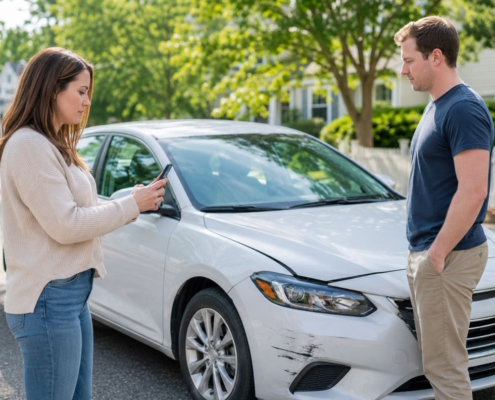
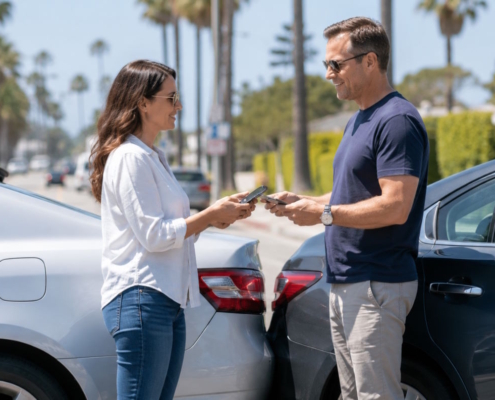
What Happens if a Friend Crashes Your Car?
If you gave them the “okay” to drive, they’re usually covered by your policy. But how the bills get paid depends entirely on who actually caused the wreck:
- If the other driver hit them: This is the “best-case” scenario for you. The person who caused the accident is responsible for the repairs to your car & any medical bills for your friend.
- Your friend caused the crash: Your insurance takes the lead. They’ll pay out for the damages, but only up to the dollar amount your policy allows.
- Damage is a total disaster: Someone has to pay the difference if your friend causes a massive pile-up that costs more than your insurance covers. Your friend’s insurance will usually kick in as a backup to cover the extra cost. If they don’t have insurance? They’re personally on the hook to pay out of their own pocket.
Just a heads-up: rules change depending on where you are. Some states put a cap on how much liability coverage an insurance company has to provide for guest drivers, and “no-fault” states have their own set of rules for medical bills.
Conclusion
At the end of the day, letting someone else drive your car in California is a much bigger deal than just being a “nice guy.” While the general rule is that your insurance stays with the car, that safety net isn’t bulletproof. The second you hand over those keys, your financial future is riding shotgun with whoever is behind the wheel. If they don’t have a valid license or if your policy has a hidden exclusion you didn’t catch, you could be left footing a massive bill all by yourself.
Being a good friend shouldn’t mean putting your bank account at risk. It only takes a minute to double-check that your friend is actually legal to drive and that your insurance company won’t leave you hanging. If a wreck has already happened and things are starting to get complicated with claims or liability, don’t wait for it to get worse—reach out to a pro who knows how to navigate the mess. A little bit of caution now is the only thing standing between a simple favor and a total legal nightmare.