
Can You Refuse to Sign a Write-Up in California? Employee Rights and Risks Explained
Employees in California can refuse to sign a write-up, but the decision may impact workplace records and future disputes. Know your rights, potential risks, and safer alternatives to protect yourself when handling disciplinary notices at work.

Labor Laws on Schedule Changes: Employer Rules, State Regulations, and Best Practices
Employers must comply with federal and state labor laws when changing employee schedules, as regulations vary across industries and locations. Clear communication of shift changes improves morale, reduces compliance risks, and strengthens trust between employers and staff.
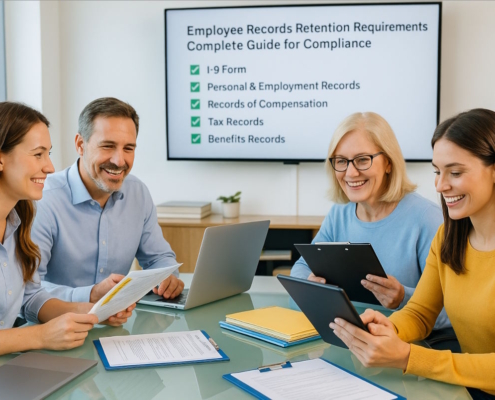
Employee Records Retention Requirements: Complete Guide for Compliance and Proper Disposal
Employee records retention requirements are explained with federal and state guidelines, covering tax, medical, and benefits documentation for compliance. The guide outlines timelines, disposal rules, and responsibilities employers must follow to avoid penalties and protect sensitive employee information.

ICRAA: California Investigative Consumer Reporting Act Overview, Common Violations, and Employer Compliance
California’s Investigative Consumer Reporting Act (ICRAA) sets strict background check rules, detailing employer duties and broader protections for job applicants. Covers common violations, penalties, and consent disclosure requirements to avoid liability and keep hiring practices compliant with California law.

Nonsolicitation Agreement: Types, Enforceability, and Legal Challenges for Employers and Employees
Nonsolicitation agreements affect employees and employers by shaping client interactions, coworker recruitment, and potential contract restrictions. Courts, antitrust laws, and state regulations influence their enforceability, making these agreements complex for businesses and workers alike.

California Labor Code 204: Wage Payment Rules, Pay Schedules, and Employee Rights
California Labor Code 204 sets strict rules on pay schedules, ensuring employees receive wages on time with clear deadlines. It outlines payday requirements, exceptions, overtime rules, and penalties for employers who fail to meet legal payment obligations.

How Long Do You Need to Keep Employee Files? HR Recordkeeping Guide
Employee file retention rules differ by record type and federal law, with some documents requiring storage for years. This guide explains which employee files HR must maintain, how long to keep them, and how compliance reduces risk.

PAGA Reform: Key Changes California Employers Need to Know
California's 2024 PAGA reform updates standing, penalties, cure options, and timelines for employers. See how SB 92 and AB 2288 impact compliance.

Fair Chance Hiring: Fill Talent Gaps and Build Strong Teams
Fair-chance hiring helps fill talent gaps with motivated candidates and strengthens team retention across industries. Adopt clear frameworks, risk controls, and supportive onboarding to build stable, inclusive workforces.

California State Holidays 2025: Full List of Paid and Unpaid Days Off for Employees and Businesses
California State Holidays 2025 covers federal and California-only days off affecting work schedules, business planning, and employee benefits. Details on paid and unpaid holidays for public workers, private employees, and businesses across California.