
Administrative Exemption California: Overtime Laws, Salary Rules, and Misclassification
The administrative exemption in California determines which employees are not entitled to overtime, meal, or rest breaks. Misclassification can result in lawsuits, back pay, and penalties for employers who fail to meet salary or duty requirements.

Sexual Harassment Training Requirements California: Employer Obligations, Content, and Compliance 2025
California employers with five or more workers must provide mandatory sexual harassment prevention training for all staff every two years. This article outlines employer responsibilities, required training content, compliance standards, and the latest 2025 updates under California law.

Labor Code 432 (California): Employee Access to Signed Documents and Personnel Records
California Labor Codes 1198.5 and 432 let employees access personnel records and copies of signed employment documents. Deadlines apply, and noncompliance can trigger a $750 penalty, legal fees, or court orders compelling employer compliance.

Section 3342 of Title 8 of the California Code of Regulations: Workplace Violence Prevention in Healthcare
Section 3342 of Title 8 sets California healthcare workplace violence prevention requirements, protecting staff from sector risks and threats. It mandates training, safety protocols, and incident logs to strengthen employee safety and compliance across healthcare facilities.
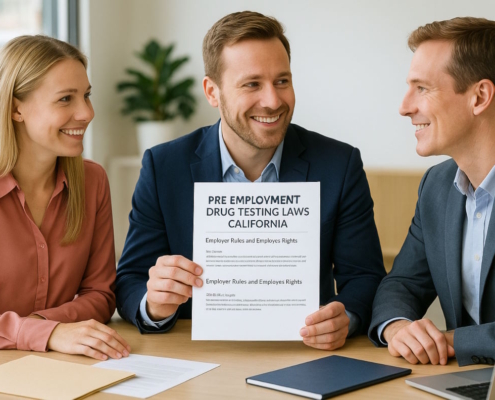
Pre-Employment Drug Testing Laws California: Employer Rules and Employee Rights
California pre-employment drug testing laws balance employer needs with employee privacy, with special rules for cannabis use and fairness. Covers rules on suspicionless testing, reasonable suspicion screening, public versus private employers, and drug-free workplace policies.
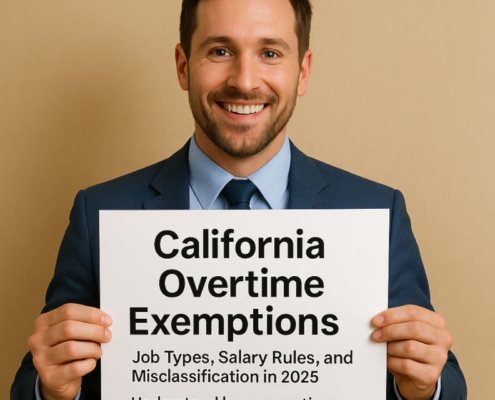
California Overtime Exemptions: Job Types, Salary Rules, and Misclassification in 2025
California overtime exemptions in 2025 cover specific job types, salary thresholds, and professions excluded from wage and hour rules. Misclassification can deny workers overtime pay, rest breaks, and legal rights, leading to wage claims or class action lawsuits.

Split Shift Premium California: Employee Rights, Pay Rules, and Laws Explained
California split shift laws require employers to pay eligible workers a premium when work schedules are interrupted by unpaid breaks. Employees may pursue legal claims for missed premiums, interest, and damages if employers fail to comply with wage rules.

Does Walmart Do Breaks? Walmart Lunch and Rest Break Policy
Walmart break policy covers paid 15-minute rest breaks and unpaid meal periods, varying by shift length, with strict compliance. Applies to part-time, full-time, minors, and overnight workers.

Double Time in California: Overtime Rules, Pay Rates, and Employee Rights
California overtime and double time: eligibility thresholds, pay rates, and seventh-day rules for non-exempt employees under state law. Covers exemptions, alternate workweeks, union agreements, unauthorized overtime, and options to recover unpaid wages via claims or lawsuits.
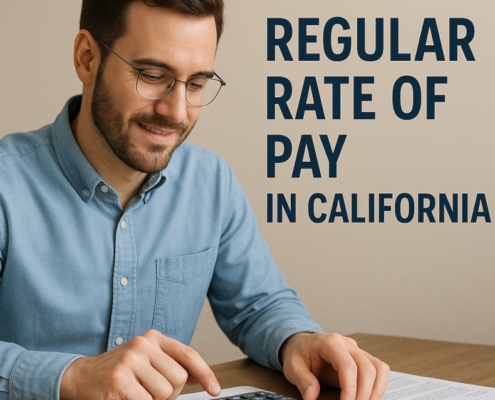
Regular Rate of Pay California: Overtime, Sick Leave, and How to Calculate It
California’s regular rate of pay affects overtime, sick leave, and premium pay; what counts, exclusions, and common errors are covered. Calculation methods, examples, and legal options for miscalculated overtime, meal or rest premiums, and minimum wage violations.