
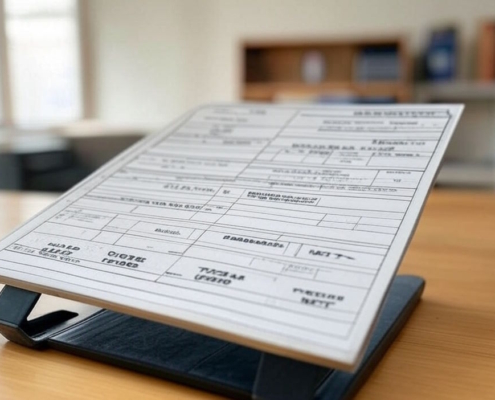
What Information Should a Pay Stub Contain?
A pay stub details an employee’s earnings, deductions, and taxes, ensuring transparency in payroll. Employers must include key information to comply with regulations.

What Does Per Diem Mean in Employment Terms?
Per diem employment offers flexibility with daily compensation for temporary or on-demand work, commonly found in healthcare, education, and business travel. Unlike independent contractors, per diem employees receive wages subject to taxes but often lack benefits like health insurance.

Can I File a Lawsuit for a Hostile Work Environment?
A hostile work environment involves harassment that disrupts job performance and targets protected groups. Filing a lawsuit requires meeting specific legal criteria.

How Many Hours Are Considered Part-Time?
Part-time jobs generally involve fewer than 35 hours per week, but definitions vary across industries and labor laws. Employers must track work hours to determine eligibility for benefits, overtime pay, and regulatory compliance.

Do Fathers Get Maternity Leave? Paternity Leave Policies and Challenges Explained
Paternity leave allows fathers to bond with their newborns and support their partners, but U.S. policies remain inconsistent and limited. Many fathers face financial and workplace challenges, yet growing awareness is driving changes in state and employer-provided leave options.

What Does an Employment Litigation Attorney Handle?
An employment litigation attorney handles workplace disputes, including wrongful termination, discrimination, harassment, and retaliation claims. Legal representation ensures employees and employers navigate complex regulations, resolve conflicts, and protect their rights.

How Many Hours Can a 17-Year-Old Work During the School Year?
Teenagers aged 16–17 can work unlimited hours but face job restrictions. Federal and state laws impose strict limits on younger workers' schedules.

What Is the Medical Pre-Tax Deduction?
A medical pre-tax deduction allows employees to pay health insurance premiums before taxes, reducing taxable income. Self-employed individuals may deduct premiums if not eligible for employer-sponsored coverage, with additional rules for health savings accounts and itemized medical expenses.

Is Working 32 Hours Considered Full-Time?
Working 32 to 40 hours per week is typically considered full-time in California, but eligibility for benefits depends on employer policies. Overtime laws require higher pay for shifts exceeding eight hours, with additional regulations for breaks, benefits, and independent contractors.

What Does the California Sick Time Law Require?
California law mandates that employers provide paid sick leave to eligible employees, with accrual requirements and usage limits outlined by state regulations. Employers must track sick leave, inform employees, and comply with both state and local sick leave laws to avoid penalties.